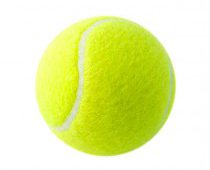
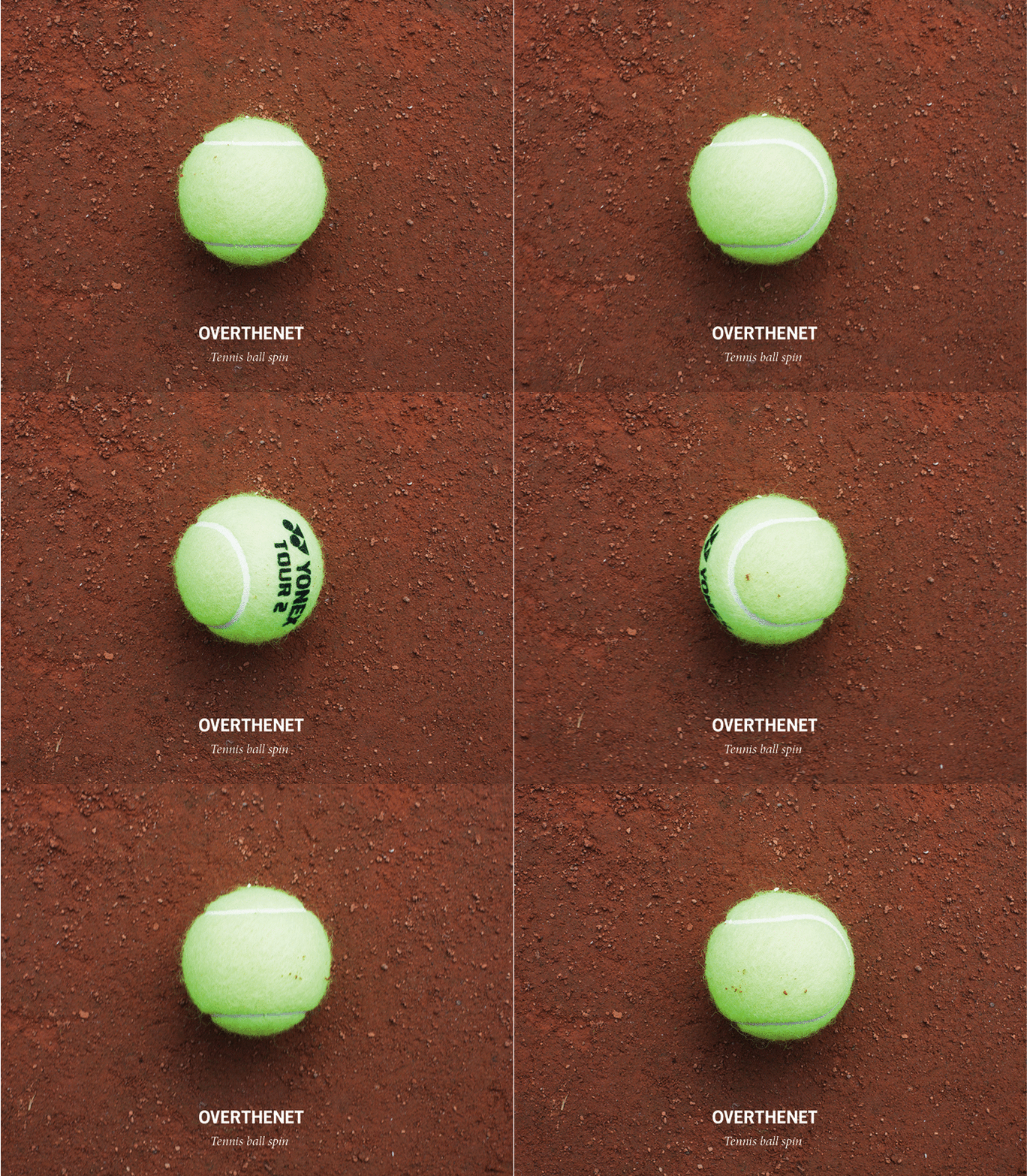
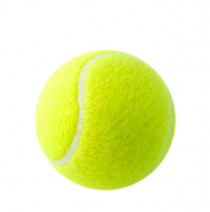
Tennis ball, when hit in certain way starts moving rotating around it’s axis. It’s usually called spin. There are different ways to “spin” the ball and these shots are real subject of the physics studies.
In modern tennis, the quality of the most common shots from the base line is assigned by the spin the player gives to the ball after hitting. In men’s pro tennis it normally takes about 1 and 1/3 seconds for the ball to travel from one player’s racket to the other in a baseline exchange. In this case the ball is turning over itself 70 to 80 times per second as it travels to his opponent.
The “fuzziness” of the tennis ball surface provides aerodynamic drag to slow the ball down otherwise it would be too fast or bounce too high after hitting the ground.
When a ball rotates, the air that is in contact with the ball’s surface rotates with the ball. The air a little farther from the ball gets drawn along too but not as fast. In the case of a tennis ball, there is a relatively large amount of air drawn in because of the fuzziness of the ball and its ability to drag air. This makes topspin and backspin more pronounced in tennis than it would be in a sport with a smooth ball.
Palla da tennis, colpita in un certo modo comincia a ruotare intorno alla sua asse. Questo si chiama “spin” (rotazione). Esistono vari modi per dare diversi “spin” alla palla e potrebbero diventare dei veri soggetti di ricerche fisiche.
Nel tennis moderno, la qualità di colpi base da fondo campo viene assegnata dal spin che ottiene la pallina dopo l’impatto. Nel tennis professionale maschile la palla viaggia 1 sec e 1/3 per arrivare dal giocatore al giocatore da fondo campo che che significhi che la palla possa ruotare intorno alla sua asse 70 – 80 volte a secondo.
La “pelosità” della superficie della palla offre la resistenza aerodinamica per rallentarla, se no, sarebbe troppo veloce o rimbalzerebbe troppo in alto dopo l’impatto con la terra.
Quando la palla ruota intorno a se stessa, l’aria in contatto con la sua superficie ruota insieme alla palla. L’aria appena più lontano dalla palla viene trascinata ma no molto velocemente. Nel caso della palla da tennis, la quantità dell’aria trascinata intorno alla palla è relativamente alta a causa della sua “pelosità” e la sua capacità di trascinare l’aria. Questo rende nel tennis il topspin e backspin molto più pronunciato che in altri sport praticati con le palle lisce.











 OVERTHENET