
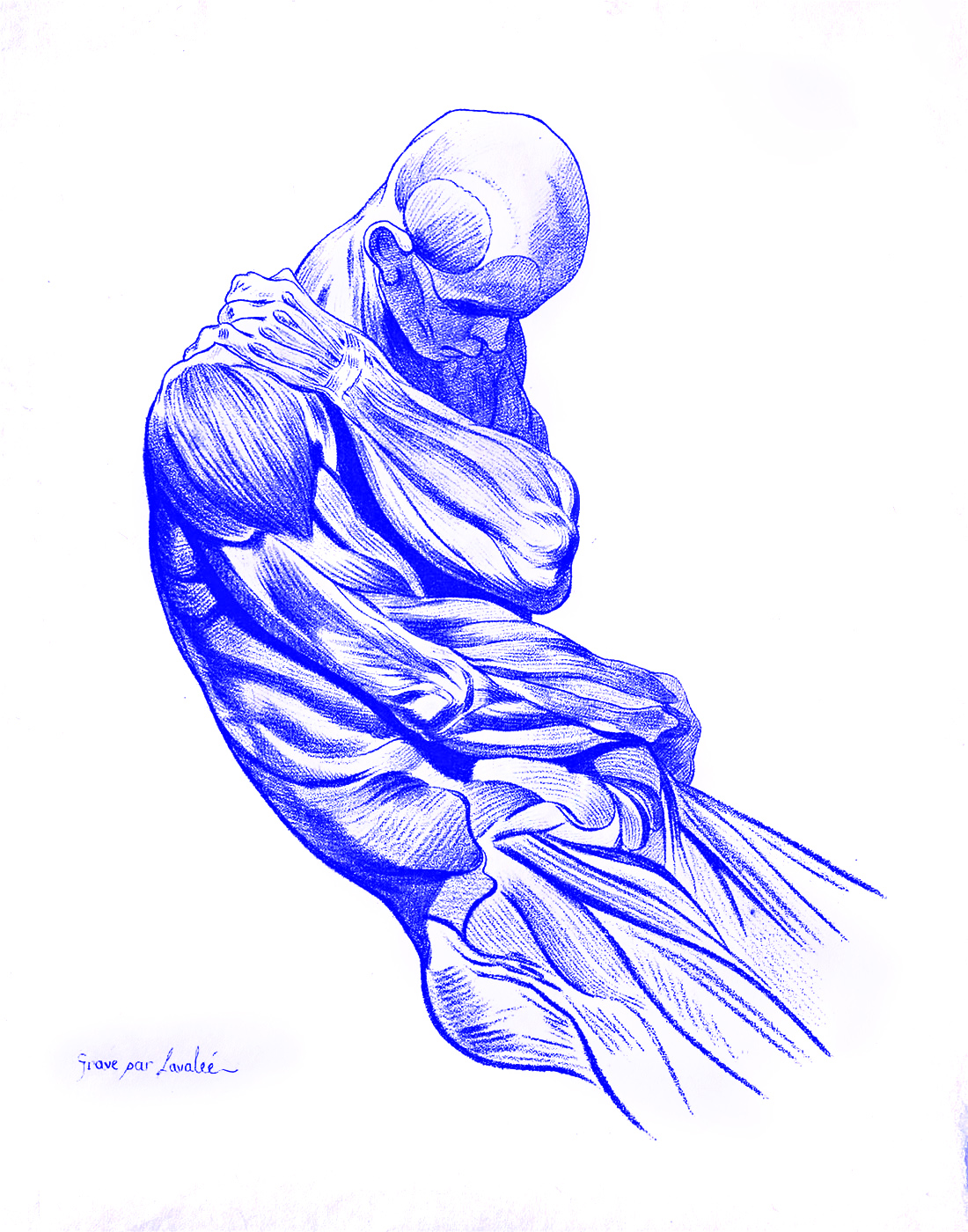

The goal of every athlete is to improve physical performance such as strength, endurance and speed. Exercising is the way to reach these goals but who would ever say this – the body works best in cycles of stress and recovery. It means that by training we stress our muscles and body and shortly after the body responds, deals with the stress. It recovers but during recovery the body repairs and then typically rebuilds a bit more to better handle the next stress. So the reality is that we are actually improving when resting or recovering not while exercising. Exercising serves to stress the body and start the cycle.
But here is the interesting thing, as we improve to exercise efficiently we should equally improve resting and recovery so that we recover sooner and better. This would allow us to improve as much as possible from the stress we have placed on our body, and also allow us to place more stress on it sooner than we could otherwise. And it is simple!
The Glycogen Window
Scientifically approved, after a heavy training the body is very receptive to absorbing nutrients to replace the nutrients and liquids just used. This phenomenon in known as “glycogen window”. The “window” our body opens from 20 – 30 minutes up to 2 hours following exercise. Getting mostly carbohydrates, and a bit of protein, back in our system. Not only do we need it, but the body readily absorbs it and gets glycogen back into the muscles at a rate many times higher than normal.
So, an important part of rest and recovery is this precise period of time for our body to restore glycogen in order to recover faster and better and get ready quickly for the next training – the next stress for the body to deal with.
Lo scopo di ogni atleta e di migliorare sue prestazione fisiche come la forza, resistenza e velocità. Sappiamo che allenamento sia il modo per ottenere questi risultati ma chi avrebbe mai detto questo – il nostro fisico lavora meglio nei cicli tra stress e ricovero. Questo significa che allenandoci “stressiamo” i nostri muscoli e corpo in modo che subito dopo il corpo risponde, gestisce lo stress subito. Si riprende ma durante il ricovero il corpo ripara e normalmente si ricostruisce più forte per affrontare meglio il prossimo allenamento. Quindi, la verità è che miglioriamo durante il riposo e ricovero, no durante allenamento. Allenamento serve per stressare il corpo e far partire il ciclo.
Ma, la cosa interessante, come impariamo a allenarci efficientemente, dovremmo ugualmente imparare a riposare e ricoverare in modo che il ricovero avvenga prima possibile. Questo ci aiuterebbe di imparare di più dallo stress che imponiamo al nostro corpo, e ci permetterebbe di esporlo allo stress maggiore nei tempi record. E lo è abbastanza semplice!
“La Finestra di Glicogeno”
Approvato scientificamente, dopo un’allenamento pesante il corpo è molto predisposto ad assorbire nutrienti e restituire nutrienti e liquidi appena usati per esercizio. Questo fenomeno si chiama “la finestra di glicogeno”. Non è altro che la “finestra” che il nostro corpo apre a partire da 20 – 30 minuto fino a 2 ore dopo allenamento. In quel periodo bisogna assumere carboidrati, poche proteine per il nostro sistema muscolare. Non che solo ne abbiamo bisogno ma il corpo lì assorbe prontamente e rimette glicogeno nei muscoli molto più velocemente dal normale. E’ sempre opportuno scegliere i carboidrati di valore biologico alto come ad esempio pasta e riso integrali.
Quindi, la parte importante del riposo e ricovero è quel preciso periodo di tempo che il corpo ci chiede di restituire in fretta il glicogeno nei muscoli in modo che si prapari velocemente per affrontare il prossimo stress cioè allenamento.
















 OVERTHENET